|
Learn effective strategies to build and maintain strong relationships with your property management team from another country. Enhance communication, trust, and collaboration.  Managing a property from another country can be very complex, especially when it comes to building and maintaining strong relationships with your property management team. Effective communication, trust, and collaboration are key components for ensuring your property is well-maintained and your investment remains secure. Understanding the Role of Your Property Management Team The key responsibilities of your property management team typically include:
Establishing Clear Communication Channels Effective communication is the cornerstone of any strong relationship. When managing a property from another country, establish clear and reliable communication channels with your property management team. Choose the Right Communication Tools Utilize a mix of emails, phone calls, video conferencing, and messaging apps to stay connected. Each tool has its benefits: emails are great for detailed updates and records, phone calls for urgent matters, and video conferencing for face-to-face interactions that help build rapport. Set Regular Check-Ins Scheduling regular meetings is essential for discussing property updates, financial reports, and any issues that may arise. These check-ins should be consistent, whether they are weekly, bi-weekly, or monthly, depending on the needs of your property and the level of oversight you prefer.  Regular meetings should be conducted Use Project Management Software Platforms like Asana, Trello, or Monday.com can help keep track of tasks, deadlines, and important documents. These tools facilitate transparency and certify that everyone is on the same page regarding the property's management activities. Cultural Sensitivity and Understanding When building relationships with your property management team in a different country, being culturally sensitive and understanding is important. Different countries have varying business practices, communication styles, and work ethics. Learn About Local Practices Take the time to learn about the local culture and business practices. This knowledge can help you navigate any differences in communication styles or expectations, fostering a more harmonious working relationship. Assist in International Relocations If your tenants are moving internationally, like from Australia, Germany, or Hong Kong to the USA, your property management team can play a crucial role in ensuring a smooth transition. They can provide valuable assistance by suggesting the best movers and coordinating with them so that the tenants' belongings reach the US safely while also helping them understand the local community and settling-in process. By involving your property management team in the process, you can address any potential issues in advance and maintain continuity in managing your property. Respect Work-Life Balance Respect the work-life balance and working hours of your property management team. Understanding and respecting these boundaries will contribute to a healthier, more productive relationship. Building Trust and Accountability Trust is fundamental in any professional relationship, especially when building relationships with your property management team remotely. Building trust with your property management team involves setting clear expectations, maintaining transparency, and demonstrating reliability. Set Clear Expectations Clearly outline your expectations regarding property management tasks, financial reporting, and communication frequency. A detailed management agreement can serve as a reference point for both parties, ensuring that responsibilities and expectations are well understood. This agreement should cover all essential aspects, such as response times for maintenance requests, tenant screening procedures, and financial reporting schedules. By having everything documented, you can prevent misunderstandings and ensure that both you and your property management team are aligned on your objectives and standards.  Expectations should be clearly outlined to the team Maintain Transparency Encourage your property management team to provide regular updates and detailed reports. Share your long-term goals for the property and involve them in decision-making processes. This collaborative approach can lead to better outcomes and a stronger partnership. For instance, if you plan to make significant renovations or improvements, discuss these plans with your team well in advance. Regular financial summaries and open books can also help you stay informed about the property's performance, thus facilitating more informed and timely decisions. Demonstrate Reliability Reliability goes both ways. Ensure that you respond promptly to their communications, provide necessary approvals without unnecessary delays, and fulfill your financial obligations timely. Showing that you are dependable will encourage your property management team to reciprocate. Additionally, regular and timely payments to vendors and service providers reflect well on your management team, cultivating good relationships that benefit your property. Being a reliable partner helps you set a standard for professionalism and efficiency that your property management team is likely to follow, enhancing the overall management experience. Using Technology for Effective Management Technology can bridge the gap when managing a property from another country, offering tools and platforms that facilitate efficient management and communication. Property Management Software Investing in robust property management software can streamline many aspects of property management. These platforms often offer features like online rent collection, maintenance tracking, financial reporting, and tenant communications. By providing your property management team with these tools, you can enhance their efficiency and keep better tabs on your investment. Virtual Tours and Inspections Virtual tours and inspections can be invaluable when you cannot be physically present. Regular video inspections allow you to visually assess the condition of your property, discuss any maintenance issues in real time, and ensure that the property is well-maintained. Handling Conflicts and Resolving Issues Conflicts and issues are inevitable in property management. How you handle these situations can significantly impact your relationship with your property management team. Address Issues Promptly Address any issues or conflicts as soon as they arise. Delaying resolutions can worsen problems and strain your relationship. Approach conflicts with a problem-solving mindset, focusing on finding mutually beneficial solutions. Encourage Open Dialogue Encourage open dialogue and feedback. Create an environment where your property management team feels comfortable voicing concerns or suggestions. This openness can lead to improved processes and a stronger working relationship. Celebrating Successes and Showing Appreciation Recognizing and celebrating successes can strengthen your relationship with your property management team. Showing appreciation for their hard work and dedication can go a long way in building a positive and productive partnership. Acknowledge Achievements Regularly acknowledge the achievements and efforts of your property management team. Whether it’s successfully filling vacancies quickly, handling a difficult maintenance issue, or providing excellent tenant service, recognition boosts morale and motivation.  Build relationships with your property management team by acknowledging their achievements Provide Incentives
Consider providing incentives for outstanding performance. Bonuses, gift cards, or even public recognition can be powerful motivators and show your team that you value their hard work. Maintain Relationships with Your Property Management Team Building strong relationships with your property management team from another country requires clear communication, trust, and effective use of technology. Understanding their role and promoting a collaborative and respectful working environment guarantees your property is well-managed, and your investment remains secure. A positive relationship with your property management team is key to successful remote property management. Photos via: Pexels Pexels Pexels Pexels Discover tips to maximize rental income from your California vacation home with effective strategies and expert advice.  Owning your California vacation home can be lucrative, especially with the state's diverse landscapes, from stunning beaches to picturesque mountains. However, maximizing rental income requires strategic planning and effective management. Whether you are just starting or looking to boost your current earnings, these tips will help you make the most of your California vacation property.
Choosing the Right Location for Your California Vacation Home The first step to maximizing rental income is selecting the right location. California offers a variety of popular vacation spots, each with unique appeal. Coastal towns like Santa Barbara, Malibu, and Laguna Beach attract beach lovers, while places like Lake Tahoe and Big Bear Lake are perfect for those seeking mountain retreats. Proximity to attractions, restaurants, and activities can significantly influence your rental rates and occupancy. When choosing a location, consider the type of travelers you want to attract. Enhancing Property Appeal Your vacation home must stand out to command higher rental rates. Invest in high-quality furnishings, modern appliances, and tasteful décor. Ensure that your property is clean, well-maintained, and has a welcoming ambiance. Offering amenities such as a hot tub, outdoor fire pit, or bicycles for guests can also enhance your property's appeal. Additionally, professional photography can make a significant difference in attracting potential renters. Consider your property's overall aesthetic. A cohesive design theme that reflects the local culture or natural surroundings can create a memorable experience for guests. Pricing Strategies Setting the right price is crucial for maximizing rental income. Research similar properties in your area to understand the competitive landscape. Consider using dynamic pricing tools that adjust rates based on demand, seasonality, and local events. Offering discounts for longer stays or last-minute bookings can also help increase occupancy. Be flexible with pricing, but ensure it reflects your property's value and amenities. Regularly review and adjust your pricing strategy based on market trends and guest feedback. Marketing Your Vacation Home Effective marketing is essential to attract renters. Utilize online platforms like Airbnb, VRBO, and Booking.com to list your property. Create a compelling listing with a detailed description, high-quality photos, and positive reviews from past guests. Use social media to showcase your property and engage with potential guests. Additionally, consider investing in a professional website for your vacation home to enhance its online presence. Providing Excellent Customer Service Positive guest experiences lead to repeat bookings and referrals. Ensure clear and prompt communication with guests when they inquire about your property. Provide detailed information about check-in procedures, local attractions, and house rules. Respond quickly to any issues during their stay and strive to exceed their expectations. Personalized touches, such as a welcome basket or local recommendations, can leave a lasting impression. Encourage guests to leave reviews and provide feedback on their stay. Positive reviews can boost your property's reputation and attract more bookings. Leveraging Property Management Services If managing your California vacation home becomes overwhelming, consider hiring a property management service. They can handle bookings, guest communications, home maintenance, and cleaning, allowing you to focus on other aspects of your investment. While this service comes at a cost, the increase in bookings and positive guest experiences often outweigh the expense. Choose property management with experience in managing vacation rentals in your area. Seasonal Adjustments and Special Offers California's diverse climate allows for year-round rentals, but seasonally adjusting your offerings can boost income. For example, you might attract guests who want to leave Florida and head for California to enjoy a different environment. And to make their move easier, you can help them by recommending professional movers, which is highly beneficial. Movers ensure the safe and efficient transport of belongings, saving time and reducing the risk of damage. They are experienced in handling heavy and fragile items, providing peace of mind during relocation. By recommending reliable moving services to guests, you can ease their transition, enhance their overall experience, and make your rental property more appealing. Promoting local events and using seasonal decorations can also improve guest satisfaction and encourage repeat bookings. Special offers tailored to the season, such as discounts for extended stays during off-peak times or packages that include tickets to local events, can also attract more guests and maximize rental income. Utilizing Technology for Efficiency Technology can streamline your vacation rental management, making it easier to maximize income. Use property management software to handle bookings, payments, and guest communications. Smart home devices, such as keyless entry systems and smart thermostats, can enhance guest convenience and reduce energy costs. Virtual tours and online booking systems can make your property attractive to potential renters. Keeping Up with Maintenance Regular maintenance is crucial for keeping your vacation home in top condition and avoiding costly repairs. Schedule routine inspections and address any issues promptly. Maintain a list of reliable local contractors who can handle repairs quickly and efficiently. Keeping your property in excellent shape attracts more guests and allows you to charge premium rates. Encouraging Positive Reviews Reviews can significantly impact your rental income. Encourage satisfied guests to leave positive reviews on listing platforms. Respond to reviews, both positive and negative, professionally and courteously. Positive reviews build trust and credibility, making it easier to attract new renters. Small incentives, such as a discount on a future stay, can motivate guests to share their positive experiences. Understanding Legal Requirements Familiarize yourself with local laws and regulations regarding short-term rentals in California. Compliance with zoning laws, tax regulations, and licensing requirements is essential to avoid legal issues. Some areas may have specific rules about the maximum number of rental days per year or require special permits. Staying informed and compliant ensures the smooth operation of your vacation rental business. Building a Strong Online Presence In today's digital age, having a strong online presence is crucial for attracting renters. Invest in a professional website that showcases your property with high-quality photos, detailed descriptions, and easy booking options. Utilize social media platforms to engage with potential guests, share updates, and highlight special offers. A robust online presence can increase your property's visibility and attract more bookings. Optimize your website for search engines to improve its ranking and attract organic traffic. Unlocking Your Property's Full Potential You can maximize rental income from your California vacation home by carefully selecting your location, enhancing your property's appeal, implementing effective pricing strategies, and providing excellent customer service. Investing time and resources into your vacation rental will pay off in the long run, ensuring that your property remains a sought-after destination for travelers year-round. You can turn your California vacation home into a profitable and rewarding investment with the right strategies and a commitment to excellence. Photo via Pexels Learn essential risk management strategies to protect your vacation home investment. Discover practical tips for safeguarding your property.  Investing in a vacation home in California can be rewarding, offering a personal getaway and potential rental income. However, a vacation home investment also comes with inherent risks, ranging from property damage to fluctuating market values. Allow us to guide you through the steps of managing these risks effectively, making sure your vacation home remains a valuable asset. Understand the Risks The first step in protecting your vacation home investment is to understand the specific risks associated with property ownership in your chosen location. These can include natural disasters, theft, and property damage, as well as financial risks like unexpected maintenance costs or changes in the local real estate market. Conducting a thorough risk assessment helps identify potential threats and helps develop a strategic approach to mitigate these risks effectively. Natural Disasters Areas in California popular for vacation homes, such as coastal regions or mountain towns, often face heightened risks of natural disasters. Hurricanes, floods, wildfires, and earthquakes can cause significant damage. Understanding these risks helps you prepare more effectively. For instance, investing in disaster-resistant construction materials and certifying your property complies with local building codes can significantly reduce potential damages.  California is prone to various natural disasters Security Concerns Vacation homes are often unoccupied for long periods, which can make them targets for theft or vandalism. Assessing your property's security needs is vital for preventing such issues. Financial Fluctuations The real estate market can be unpredictable. Economic downturns or changes in local property demand can affect the value of your vacation home investment. It is crucial to stay informed about market trends and economic factors in the area. Diversifying your investment portfolio and considering long-term trends rather than short-term fluctuations can also stabilize your investment returns. Regularly reviewing property values and rental rates in the area will keep you updated on your property's market standing. Investing in Insurance A robust insurance policy is one of the most straightforward ways to protect your vacation home investment. Make sure you have comprehensive coverage that includes property damage, liability, and loss of rental income, specially tailored to the risks in your area. Additionally, periodically reviewing your insurance policy to adjust for any new risks or changes in property value is crucial to maintaining adequate coverage. Property Insurance This will cover damage to your home due to various causes, such as fire or natural disasters. It’s important to read the fine print and understand what is and isn’t covered. For instance, some policies may not automatically include flood damage, which can be essential depending on your vacation home’s location. Upgrading your policy to include all potential risks means you’re not exposed to unexpected financial burdens.  Property insurance is important for protecting your vacation home investment Liability Insurance Liability insurance protects you if someone is injured on your property. This is particularly important if you rent out your vacation home. It covers legal fees and settlements, which can be substantial. Certifying that your coverage limits are sufficient to protect your assets is key. You might also consider an umbrella policy for additional liability coverage beyond what your standard policy offers. Loss of Income Insurance If a disaster renders your property unrentable, this insurance can compensate for lost income during repairs, which is critical for maintaining financial stability. It’s also wise to look at the terms of coverage, such as how quickly benefits begin and how long they last. Some policies offer coverage that starts immediately, while others might have a waiting period. Tailoring this to your financial needs can help bridge any gaps in income without dipping into personal savings. Regular Maintenance and Upkeep Maintaining your property can prevent many problems from developing into costly repairs. Regular checks and upkeep can extend the life of your property’s components and enhance its value. Seasonal Maintenance Adapt your maintenance schedule to the seasons. For example, before the onset of winter, ensure your heating system works and that pipes are insulated against freezing. Handling Property Transitions When relocating or refurbishing items in your vacation home, use trusted professionals to make sure everything is moved safely and efficiently. Consider employing Mod Movers CA for reliable moving services for your Cali vacation home. They are a team of licensed, bonded, and insured movers who undergo rigorous training and have vast experience. Their expertise in securely transporting items can be invaluable, especially when making large-scale changes that involve furniture or other heavy items. Professional Inspections Having professionals inspect your property annually can help catch issues like roof damage or plumbing leaks before they escalate. Security Enhancements Upgrading your vacation home’s security can deter theft and vandalism. Consider installing a security system, using smart locks, and employing local property management services to check on the property regularly. Enhancements such as these protect your property, provide peace of mind, and potentially lower insurance premiums due to reduced risk. Smart Security Systems Modern security systems offer remote monitoring through smartphones, providing real-time alerts and video surveillance. These systems can also be integrated with other home automation features like lighting and temperature control, further enhancing security by simulating occupancy, thus deterring potential intruders.  Enhance security features of your vacation home Local Property Management
Hiring a property manager can ensure regular inspections, maintenance, and emergency responses, which is invaluable for vacation homes in remote areas. A local property manager can also be your eyes on the ground during off-seasons or when you can't visit regularly, offering immediate action in case of incidents or urgent maintenance needs. Legal Considerations Understanding and complying with local laws and regulations is fundamental in managing your vacation home investment. This includes zoning laws, rental regulations, and tax obligations:
Protect Your Vacation Home Investment Protecting your vacation home investment in California requires a multi-layered approach, including securing comprehensive insurance, maintaining the property, and complying with legal standards. By taking these proactive measures, you can safeguard your property, ensuring it remains a valuable and enjoyable asset for years to come. Photos via: Unsplash Unsplash Unsplash Unsplash Discover romantic and intimate vacation homes for couples in California. Ideal settings for unforgettable experiences.  California is an idyllic choice for couples desiring a retreat filled with romance and privacy. Its varied terrains, ranging from tranquil beaches to snow-capped peaks, offer unique and memorable experiences for every kind of couple. The key to unlocking these experiences lies in selecting the ideal intimate vacation homes for couples in California. These homes are more than just accommodations. They are intimate spaces designed to enhance the beauty of their surroundings. They also provide couples with a sanctuary where they can nurture their connection. Whether it's waking up to ocean views or enjoying a glass of wine under the stars in the desert, the right vacation home can transform a simple getaway into a personal and romantic journey. Hidden Gems in Napa Valley: Vineyard Views and Cozy Cottages Napa Valley, a region synonymous with exquisite wines and breathtaking landscapes, offers an idyllic setting for couples seeking a retreat. Scenic vineyard properties that provide a tranquil backdrop for a romantic getaway dot the area. Many vineyards in Napa Valley offer private wine tastings and tours, thus allowing couples to indulge in the local flavors and learn about winemaking in an intimate setting. After a day of exploring, retreat to a secluded cottage, where modern amenities blend with rustic charm to create a cozy haven. These cottages often feature luxurious touches like fireplaces, outdoor hot tubs, and breathtaking views, ensuring a comfortable and memorable stay. Finally, couples looking to escape the hustle of everyday life and immerse themselves in the tranquility of wine country will find that Napa Valley's hidden gems provide the perfect setting.  If both of you enjoy quietness and good wine, this is the perfect place to visit. Big Sur's Coastal Retreats: Breathtaking Oceanfront Living Big Sur offers an unparalleled coastal retreat experience. With its clifftop houses perched along the rugged coastline, it provides an unobstructed view of the Pacific Ocean's powerful waves and serene sunsets. Couples can enjoy the luxury of privacy with access to secluded beaches. Here, they can stroll hand-in-hand or bask in the soothing sounds of the surf. Big Sur’s unique location also allows for intimate dining experiences, with local restaurants offering fresh, ocean-to-table cuisine in romantic settings. Dine under the stars, with the gentle sea breeze and the sound of waves creating a perfect, peaceful backdrop. These dining spots often emphasize local ingredients, bringing a taste of the region to each dish. Its blend of luxury, natural beauty, and gastronomic delight make Big Sur's coastal retreats an ideal getaway, filled with moments of tranquility and romance. Intimate Vacation Homes for Couples in California: Mammoth Lake Mammoth Lake stands out as a top destination for couples in California who want intimate vacation homes. It offers a peaceful retreat in the heart of the mountains. Couples can find solace in cozy lakeside cabins that afford stunning views of the surrounding peaks and crystal-clear waters. The area's natural beauty provides a tranquil setting, perfect for those seeking a break from the hustle of daily life. Hike on scenic trails or boating on the serene lake. Each activity offers a unique way to connect with nature and each other. The best times to visit for those seeking solitude are the quieter seasons when you can enjoy the beauty of the landscape with fewer crowds. Whether looking for adventure or relaxation, Mammoth Lake provides an ideal backdrop for couples to create lasting memories in a majestic mountain environment. 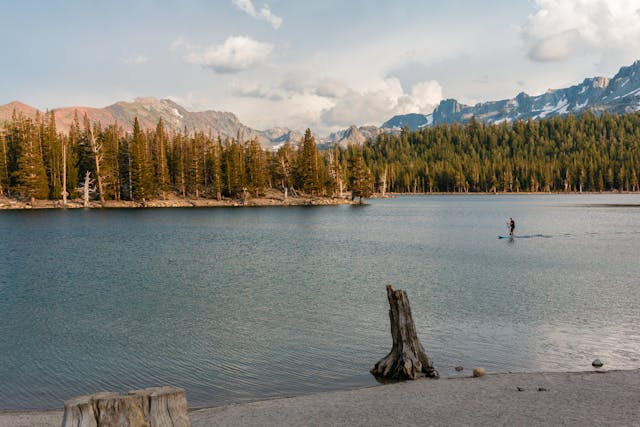 The beauty of Mammoth Lake cannot be denied; a comfortable cabin is all you need here to enjoy the landscape. Secluded Redwood Escapes in Humboldt County Humboldt County, in the heart of Northern California, offers secluded forest retreats. Indeed, this place is ideal for couples seeking a peaceful escape among the majestic redwoods. These hideaways provide unparalleled tranquility, surrounded by towering trees that have stood for centuries. Besides, the proximity to natural attractions and trails invites couples to explore the lush landscape. Here, the sounds of nature replace the noise of busy life. For those planning a cozy, unplugged stay, these retreats offer the perfect opportunity to disconnect from technology and reconnect with your partner. The cabins and cottages in Humboldt County are designed to enhance this experience, featuring warm, inviting interiors. As a result, couples can enjoy quiet evenings under the stars, perhaps with a cup of local wine, making these redwood escapes a memorable experience for anyone seeking intimacy with nature and their loved ones. Lake Tahoe: Cozy Mountain Hideaways for Two Lake Tahoe, a year-round paradise, offers couples a harmonious blend of nature and comfort. In this majestic setting, cozy mountain cabins with inviting fireplaces and sweeping lake views create a perfect backdrop for romance. During summer, the lake's crystal-clear waters and surrounding trails beckon couples for hiking adventures, where they can explore the natural splendor of the Sierra Nevada. These trails wind through lush forests and open to spectacular vistas, offering moments of solitude and connection with nature. Lake Tahoe transforms into a winter wonderland as winter cloaks the landscape in snow. It’s ideal for couples who enjoy skiing or snowboarding. The cabins become snug retreats after a day on the slopes, where couples can unwind by the fire, sharing stories of their day’s adventures. Furthermore, each season brings its charm to Lake Tahoe, making it a versatile and enchanting destination for couples seeking relaxation and adventure in their intimate getaway.  At the end of the year, this place becomes incredible for winter activities, so if you’re a fan of those, this location is perfect for intimate vacation homes for couples in California. Exploring Hidden Treasures
Beyond the well-trodden paths lie hidden treasures perfect for couples seeking unique romantic getaways. These locations, each with distinctive characteristics, offer serene atmospheres and activities. Let's explore a few additional places worthy of your consideration.
For those considering a more permanent move to any of these romantic locales, Royal Moving and Storage California can facilitate a smooth transition. Their high-end customer service and fully licensed, bonded, and insured services make relocating a hassle-free experience. They will handle every move with care and professionalism, regardless of the location you choose. Besides that, there are many special services at your disposal, such as furniture moving and storage services. You can always contact them via e-mail and inform yourself. Creating Memories: How to Choose the Perfect Intimate Vacation Home Choosing the perfect intimate vacation home for a romantic getaway requires careful consideration of several essential factors. The proper setting can transform a simple trip into an unforgettable experience for couples.
Conclusion In summary, each location highlighted offers unique qualities, making them perfect choices for couples in California who want intimate vacation homes. These destinations cater to different tastes and preferences. Whether it's the adventure of outdoor activities or the relaxation of a secluded retreat, there is something special for every couple. We encourage you to explore these diverse and beautiful locations to find your ideal intimate vacation home, where unforgettable memories await in the stunning landscapes of California. Photos used: Pexels Pexels Pexels Pexels Navigating California's Real Estate Regulations: A comprehensive guide for remote buyers considering a move from Toronto to California.  California's real estate market is renowned for its diversity, offering everything from beachfront properties to sprawling vineyards and bustling urban centers. For remote buyers, the prospect of owning a piece of this golden state can be both exciting and daunting. However, navigating the complex web of California real estate regulations is crucial to ensuring a smooth and successful purchase. In this comprehensive guide, we'll provide an in-depth checklist to help remote buyers understand and comply with California's real estate regulations. Researching the Market California is a vast state with diverse regions, each offering unique lifestyles and amenities. Before diving into the market, remote buyers should research and identify their desired locations based on climate, proximity to urban centers, and lifestyle preferences. Therefore, don't be shy about exploring various neighborhoods, visiting potential properties, and speaking with locals to gain insights into the community. Understanding Market Trends Real estate markets in California can be highly dynamic, with prices and demand fluctuating based on various factors. Remote buyers should stay updated on market trends, including inventory levels, median prices, and average days on the market, to make informed decisions. So make sure you subscribe to local real estate newsletters, follow industry reports, and attend open houses to gauge market activity. Evaluating Property Values Understanding the value of properties in California requires more than just looking at listing prices. Remote buyers should consider factors such as comparable sales, property condition, and potential for appreciation to gauge the true value of a property. This can involve conducting a comparative market analysis, researching recent sales in the area, and consulting with a real estate appraiser for a professional valuation. Understanding Legal Framework California has its own set of real estate laws that govern transactions within the state. Remote buyers should familiarize themselves with California's real estate regulations, which cover areas such as disclosures, contracts, and property rights.  Understanding the legal framework and California’s real estate regulations can be a game changer when it comes to a successful home purchase. Federal Regulations In addition to state laws, remote buyers must comply with federal regulations impacting real estate transactions. These regulations can include fair housing laws, environmental regulations, and tax implications. This may involve reviewing federal statutes, understanding the role of federal agencies such as the Department of Housing and Urban Development (HUD), and consulting with a tax professional for guidance on federal tax laws. Navigating the Buying Process Partnering with a knowledgeable and experienced real estate agent is essential for remote buyers. An agent can provide valuable insights into the local market, assist with negotiations, and guide buyers through the entire process. This can involve researching and interviewing potential agents, checking their credentials and experience, and requesting client testimonials to assess their track record. Financing Options Remote buyers should explore various financing options, including conventional, FHA, and VA loans, to find the best fit for their financial situation. Understanding the loan approval process and required documentation is crucial for a smooth transaction. So, get around to meeting with mortgage lenders, comparing loan terms and rates, and getting pre-approved for a mortgage to strengthen their offer. Making an Offer Crafting a compelling offer is a critical step in the buying process. Remote buyers should work with their real estate agent to create a competitive offer that reflects the property's value and market conditions. This can involve researching comparable sales, assessing the property's condition, and drafting a strong offer letter highlighting their qualifications as a buyer. Closing the Deal The closing process involves finalizing the sale and transferring ownership of the property. Remote buyers should be prepared for this phase, which includes signing legal documents, paying closing costs, and ensuring a smooth ownership transition.  Remote buyers should be prepared for the closing phase, which includes signing legal documents, paying closing costs, and ensuring a smooth transition of ownership. Remote Buying Considerations
Remote buyers should take advantage of virtual tours and inspections to assess properties remotely. These tools can provide valuable insights into a property's condition and help buyers make informed decisions. This may involve scheduling virtual walkthroughs with their real estate agent, hiring a professional inspector to conduct a remote inspection, and using video conferencing tools to ask questions and discuss findings. Navigating the Move One of the biggest decisions remote buyers face is whether or not to hire a moving company to assist with the relocation. If, for example, you need to move all the way from Toronto to California, the option to hire professionals is a better one, even if you think it is not worth the cost. Despite everything, it would be a lot cheaper to have experts handle everything, especially if you're not familiar with California roads and towns. Legal Implications Remote buyers should know the legal implications of purchasing property in California. So be sure to have the knowledge about disclosures, disclaimers, and legal protections under the belt. But also, don't forget to review the seller's disclosures, consult with a real estate attorney to understand their rights and obligations, and ensure that all legal documents are reviewed and signed in accordance with California law. Tax Implications California has its own property tax system, varying by county and city. Remote buyers should understand their property tax obligations and any potential deductions or exemptions they may qualify for. This can involve researching property tax rates in their desired location, understanding the California Proposition 13 tax law, and consulting with a tax professional to explore available tax breaks. Income Tax Remote buyers who plan to rent out their property should be aware of the tax implications of rental income. Therefore, understanding tax rates, deductions, and reporting requirements is required. With this in mind, be sure to research California's income tax laws to get a better grasp on the tax treatment of rental income and how to keep detailed records of rental expenses for tax purposes. California's Real Estate Regulations: Insurance Requirements Homeowners insurance is essential for protecting a property and contents from damage or loss. Remote buyers should explore different insurance options and ensure they have adequate coverage for their property. So, be sure to obtain quotes from multiple insurance companies. This will help you understand the coverage limits and exclusions of different policies. Furthermore, work with an insurance agent to customize a policy that meets their needs. Title Insurance Title insurance protects a buyer's ownership rights to a property. Remote buyers should understand the importance of title insurance and its legal requirements. This can involve reviewing the preliminary title report, understanding the title insurance policy, and ensuring the property's title is clear of any liens or encumbrances. Conclusion Navigating California's real estate regulations as a remote buyer can be complex, but it's entirely manageable with the right knowledge and preparation. By following this comprehensive guide and working with experienced professionals, remote buyers can confidently navigate the California real estate market and achieve their homeownership goals. Photos via: Pexels Pexels Pexels Discover top spots for owning a vacation home in California. Dive into prime locations, investment benefits, and picturesque settings.  Often hailed as a land of dreams, California is a mosaic of diverse landscapes ranging from sun-kissed beaches to snow-capped mountains. The appeal of owning a vacation home in California is not just about securing a spot amidst these natural wonders. It's also tapping into a lucrative investment avenue. The Golden State promises an enriching lifestyle with its myriad attractions—also a robust return on investment for those eyeing the property market. So, let's take a look at these beautiful places!  You will get to enjoy beautiful snowy sceneries Mammoth Lakes is Nature's Retreat with Year-Round Activities Mammoth Lakes is a natural sanctuary that invites adventure throughout the year. Renowned as a premier winter sports hub, its snow-clad slopes invite skiers and snowboarders worldwide, promising thrills and panoramic mountain vistas. As snowy scenery melts and summer approaches, the region becomes a beautiful playground. Trails open up for enthusiastic hikers eager to explore the breathtaking alpine scenery. At the same time, the town comes alive with a medley of festivals celebrating the arts, music, and local culture. Truly, Mammoth Lakes offers a dynamic retreat for every season. Napa Valley Napa Valley, nestled in the heart of California, is synonymous with world-renowned vineyards and indulgent wine tours. A pilgrimage site for oenophiles, the valley offers an unmatched experience of sipping meticulously crafted wines amidst the vineyards where the grapes flourish. If you decide to invest here, you should know about nature and architecture. Upon your arrival, you’ll see hills adorned with rows of grapevines. They stretch as far as the eye can see, enveloped in a tranquil ambiance that soothes the soul. You'll also get to see the architectural wonder of Castello di Amorosa. You will be mesmerized, if you prefer, by the landscape, vineyards, or architecture. Palm SpringsPalm Springs, an iconic desert oasis, has long been the go-to destination for those seeking sun-soaked poolside relaxation. This mid-century modern haven showcases architectural gems. They are characterized by sleek lines and innovative designs that capture the essence of a bygone era. Beyond its structural charm, Palm Springs boasts world-class golfing opportunities, with manicured greens set against the dramatic backdrop of towering mountains. Visitors are also treated to a rich tapestry of sights. Some of them are stunning aerial tramway views to the vibrant art museums. The city's calendar is punctuated with festivities, including the famed film festival and the electrifying music events. They make Palm Springs a blend of leisure, culture, and celebration.  Relax by the beach and enjoy the luxury of this town Laguna Beach is a Coastal Paradise with a Touch of Luxury Laguna Beach stands as a jewel on California's coast. It offers an idyllic blend of serene beaches and an effervescent artistic community. The soft, golden sands juxtaposed with azure waters depict tranquility, beckoning residents and visitors alike. But beyond its natural splendor, Laguna Beach exudes a touch of luxury. The town is dotted with upscale dining venues where gourmet flavors come alive. Also, high-end boutiques are perfect for those with a discerning eye. And finally, premium real estate opportunities that promise an opulent lifestyle. If the allure of this coastal paradise tempts you to make a move, ensuring a seamless transition is crucial. For a stress-free relocation to Laguna Beach, it's wise to trust the task to seasoned pros who understand the nuances of moving with precision and care.  If you’re into surfing, then owning a vacation home in California, specifically Santa Barbara, is a necessity. Santa Barbara Santa Barbara, often called the 'American Riviera,' effortlessly marries natural beauty with cultural sophistication. The city boasts beaches where golden sands meet the gentle embrace of the Pacific, making it a haven for sun-seekers and surfers. Yet, the signature Spanish architecture truly sets Santa Barbara apart. Red-tiled roofs and whitewashed adobe walls tell tales of a rich colonial past. Stroll down State Street, and you're greeted with upscale boutiques, gourmet dining spots, and the historic Arlington Theatre. There’s the imposing Santa Barbara Courthouse, offering panoramic city views. Before coming, you can inspect cultural events like the International Film Festival. Santa Barbara is a tapestry of experiences, weaving luxury, history, and artistry into one captivating narrative. Big Sur Big Sur, perched along California's rugged central coast, is a mesmerizing blend of land and sea. Its majestic cliffs offer panoramic ocean views, inspiring countless artists, writers, and dreamers. Big Sur presents an unparalleled natural sanctuary for those looking to own a vacation home in California. The region's extensive hiking trails meander through redwood forests, where many hikers have made their careers. They lead adventurers to hidden waterfalls and breathtaking coastal vistas. Moreover, cabin retreats nestled amidst the woods offer a serene escape from the world, while opportunities for wildlife encounters add to its mystique. Iconic landmarks like the Bixby Creek Bridge and the historic Point Sur Lighthouse further elevate Big Sur's status as a Californian gem. The Financial Benefits of Owning a Vacation Home in CaliforniaOwning a vacation home in California isn't just a lifestyle choice; it's a smart financial move. The state's perennial allure ensures a steady influx of tourists, especially during peak seasons, translating to attractive rental income opportunities for homeowners. This passive income stream can significantly offset maintenance costs and even turn a profit. Furthermore, there are tax advantages to consider. Owners can often deduct property taxes and mortgage interest, and there are potential benefits when it comes to capital gains taxes upon selling. Over the long term, the state’s real estate has consistently shown appreciation, suggesting that today's investment could reap substantial rewards in the future. A Californian vacation home is not only a retreat but a revenue-generating asset. Conclusion In summary, each spot here presents its unique charm. Whether you're drawn to Napa Valley's viticultural charm, Santa Barbara's architectural elegance, or the financial prospects of owning property in these prime locations, the dream of having a vacation home in California is within reach. As you venture into real estate scouting, it's essential to research the local markets, connect with experienced realtors, and be diligent in your property assessment. With the right strategy and guidance, your retreat awaits, encapsulating the best the state offers.
Photos via: Pexels Pexels Pexels Pexels Discover hidden gems among lesser-known ski resorts in California, offering fresh powder, stunning slopes, and a unique mountain experience.  When most people think of skiing in California, they immediately picture the renowned Lake Tahoe area. While Tahoe is undoubtedly a winter paradise for skiers and snowboarders, it's time to shed light on some hidden treasures in the Golden State. California has many lesser-known ski resorts that offer excellent skiing experiences without the crowds. We'll take you on a journey to explore these gems and help you plan your next ski adventure in the lesser-known ski resorts in California. Mount Shasta Ski Park In the shadow of the majestic Mount Shasta, Mount Shasta Ski Park is a gem among lesser-known ski resorts in California. With breathtaking views and reliable snowfall, this resort is a haven for winter sports enthusiasts. The ski park offers a variety of trails for all skill levels, from gentle slopes for beginners to challenging runs for the more experienced skiers and snowboarders. It's a perfect destination for a family-friendly ski vacation. June Mountain June Mountain is another hidden treasure in the Eastern Sierra region. With its laid-back vibe and fewer crowds, it's an ideal spot for those seeking a more relaxed and peaceful skiing experience. The resort offers stunning views of the surrounding peaks and features a range of terrain suitable for all ages and abilities.  Visit June Mountain for fewer crowds China Peak Formerly known as Sierra Summit, China Peak is one of the lesser-known ski resorts in California, in the Sierra National Forest. It's a fantastic choice for those who want to escape the hustle and bustle of the more popular ski areas. China Peak offers a diverse range of slopes, making it suitable for skiers and snowboarders of all levels. The resort is also known for its impressive terrain park, attracting freestyle enthusiasts. Dodge Ridge Dodge Ridge is a convenient and underrated ski destination for those in Northern California or the Bay Area. This resort offers a peaceful and family-friendly atmosphere in the Stanislaus National Forest. Dodge Ridge features a mix of beginner-friendly and challenging trails, ensuring everyone in your group can have a great time. Badger Pass Ski Area Badger Pass Ski Area is the oldest ski resort in California and is situated within Yosemite National Park. While it may not have the sprawling terrain of some of its counterparts, it offers a unique and unforgettable skiing experience. The resort primarily caters to beginners and intermediates, making it an excellent choice for families or those looking to learn the ropes. 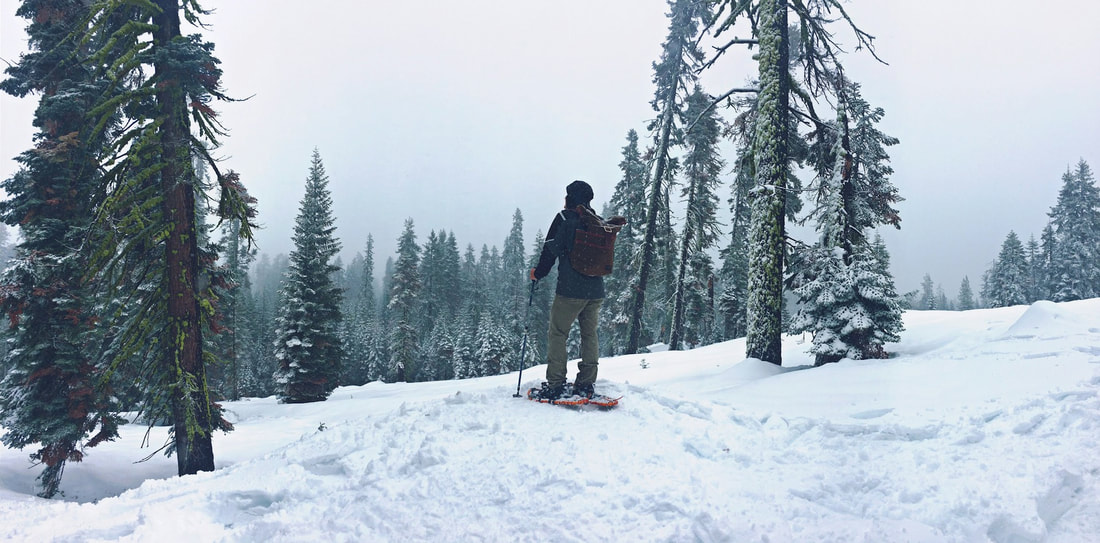 Badger Pass Ski Area is one of the lesser-known ski resorts in California and a great choice for families Bear Valley In the heart of the Sierra Nevada Mountains, Bear Valley is a lesser-known ski resort that provides a fantastic mix of terrain for skiers and snowboarders. Its slopes cater to all skill levels, and the resort's friendly atmosphere is perfect for both families and solo adventurers. Bear Valley also offers excellent backcountry skiing and snowshoeing opportunities for those seeking a more adventurous experience. Lassen Volcanic National Park While not a traditional ski resort, Lassen Volcanic National Park offers a unique and pristine backcountry skiing experience. Its breathtaking landscapes and untouched powder make it a paradise for backcountry enthusiasts. Be sure to check with the park rangers for safety guidelines and information on avalanche conditions before embarking on your adventure. Soda Springs Mountain Resort Located near Lake Tahoe but often overshadowed by its larger neighbors, Soda Springs Mountain Resort is a fantastic option for families and beginners on an extended vacation. It features a tubing park, snow play area, and gentle slopes perfect for kids and novice skiers. The resort's friendly atmosphere and affordability make it an attractive choice for those looking for a more relaxed and budget-friendly ski experience. Mt. Baldy Resort Settled in the San Gabriel Mountains, Mt. Baldy Resort offers a unique skiing experience close to the busy city of Los Angeles. Known for its challenging terrain and excellent snow conditions, it's a hidden gem for advanced skiers and snowboarders. The stunning views of Southern California from the summit are worth the visit alone. Homewood Mountain Resort Homewood Mountain Resort may not be as famous as its neighboring resorts on the West Shore of Lake Tahoe, but it offers exquisite lake views and diverse terrain. It's a hidden treasure for intermediate skiers and riders seeking a quieter environment. Homewood's location also makes it an excellent choice for those interested in exploring the beauty of Lake Tahoe's shoreline. Mammoth Mountain Mammoth Mountain may not be entirely unknown, but its famous neighbor, Lake Tahoe, often overshadows it. However, it deserves mention for its extensive terrain, reliable snowfall, and vibrant après-ski scene. With a variety of trails, terrain parks, and off-piste options, Mammoth Mountain offers something for every type of skier or snowboarder. It also offers some pretty cozy cabins for skiers to stay in during the trip and be fully immersed in the mountain spirit.  Mammoth Mountain offers various trails for skiers and snowboarders Snow Valley Mountain Resort
Snow Valley Mountain Resort is a lesser-known gem in the San Bernardino Mountains that offers a variety of terrain for skiers and snowboarders of all levels. With a relaxed atmosphere and a focus on family-friendly activities, it's an ideal destination for those looking to escape the crowds without sacrificing quality skiing. Mt. Waterman Ski Lifts For those in the Los Angeles area seeking a quieter and more intimate ski experience, Mt. Waterman Ski Lifts is a hidden treasure. This resort in the San Gabriel Mountains is known for its challenging terrain and deep powder runs. While it may lack the amenities of larger resorts, it provides a back-to-basics skiing experience that hardcore enthusiasts appreciate. Relocating for a Ski Season For true ski enthusiasts looking to immerse themselves fully in some of the lesser-known ski resorts in California, a temporary relocation might be in order. Whether planning a season-long stay or simply extending your ski vacation, relocating your belongings and gear can be an endeavor. Cue long distance movers in California to the rescue. These professionals specialize in helping individuals and families relocate across the state, ensuring that your ski equipment, personal items, and essentials make the journey safely and efficiently. With the assistance of experienced long distance movers, you can enjoy an extended stay at your favorite California ski destination with peace of mind, knowing that everything you need is waiting for you. Conclusion California is not just about Lake Tahoe when it comes to skiing. The state has several lesser-known ski resorts, each offering unique charm, amazing vistas, and quality snow. Whether you're a seasoned pro or a beginner looking to hit the slopes, these gems provide an opportunity to escape the crowds and create unforgettable memories in the winter wonderland of California. So, the next time you plan a ski trip, consider exploring the lesser-known ski resorts in California for a fresh and exciting mountain adventure. Discover the most scenic spots for owning a vacation home in California. Get practical tips for a scenic lakefront living!  Imagine waking up to the gentle lapping of water against the shore, surrounded by breathtaking natural beauty. Here, we'll explore the most scenic spots for owning a vacation home in California. We'll also provide practical insights, including tips on buying lakefront properties and maintaining your piece of paradise. From the alpine paradise of Big Bear Lake to the hidden gem of Clear Lake, there's something for every nature enthusiast. The Appeal of Lakefront Living There's an undeniable allure to lakefront living that captivates the hearts of many. The soothing symphony of water ripples, the panoramic views of pristine lakes, and the endless opportunities for water-based recreation make it an irresistible choice for those seeking a vacation home in California. Lakefront properties offer a unique blend of tranquility and adventure. Whether you prefer to unwind with a book on your porch as the sun sets over the water or partake in thrilling water sports, lakefront living caters to all preferences. Properly maintained vacation properties along the shoreline provide the perfect escape from the hustle and bustle of daily life. Furthermore, the investment potential of lakefront homes cannot be overlooked. These properties are often appreciated for their value, making them a place of relaxation and a smart financial move.  Big Bear Lake is an ideal place for buying a lakefront property. Big Bear Lake: An Alpine Paradise Nestled in the San Bernardino Mountains, Big Bear Lake is the epitome of an alpine paradise in Southern California. With its crystal-clear waters reflecting the surrounding pine trees and snow-capped peaks, it's no wonder that Big Bear Lake is a prime location for those seeking a lakefront vacation home. The appeal of Big Bear extends far beyond its breathtaking scenery. Year-round recreational opportunities abound, from boating on the lake's pristine waters to skiing down the slopes during winter. This versatility makes it a perfect destination for families, adventure seekers, and nature enthusiasts alike. What's more, the charm of Big Bear extends to its vacation homes, which often come in cozy cabin-style designs that blend seamlessly with the natural surroundings. Lake Tahoe: Majestic and Pristine Lake Tahoe, straddling the border of California and Nevada, stands as an epitome of majesty and pristine beauty. With its azure blue waters encircled by towering mountain peaks, it offers a visual spectacle that's hard to rival. Throughout the year, it provides a playground for outdoor enthusiasts. Whether you're into water sports, hiking, or snowboarding in the winter, there's an activity for every season. Amidst this stunning landscape, you'll discover upscale vacation properties offering breathtaking lakefront views. As you contemplate owning a slice of this majestic paradise, consider the grandeur of Lake Tahoe and the importance of yard maintenance for your property. Properly maintained vacation homes here ensure that your oasis remains as pristine as the lake itself, preserving the allure of this stunning location for generations to come.  Lake Tahoe is perfect for nature and water sports lovers. Clear Lake: The Hidden Gem Tucked away in Northern California, Clear Lake promises serene and unspoiled beauty. Its tranquil ambiance is captivating. Surrounded by rolling hills and lush forests, the lake provides the ideal setting for relaxation and recreation. Fishing, water sports, and hiking opportunities abound, ensuring you're never far from nature's wonders. One of Clear Lake's distinct advantages is the affordability of its vacation homes. Here, you can find a piece of lakeside paradise without breaking the bank. These hidden gem properties provide a haven where you can escape the noise of city life and immerse yourself in their simplicity and beauty. Lake Arrowhead: A SoCal Escape Lake Arrowhead, situated just a short drive from Los Angeles, beckons as a Southern California escape that seamlessly combines natural beauty with convenience. This enchanting destination offers a picturesque lakefront setting that's hard to resist, making it an ideal spot for owning a vacation home in California. The beauty of Lake Arrowhead lies in its proximity to the bustling city while offering a complete escape from urban life. Luxury vacation estates dot its shores, providing an exclusive and idyllic retreat for those searching for an exquisite lakefront experience. Buying Tips for Lakefront Properties When it comes to buying lakefront properties, making an informed decision is vital. Here are some essential tips to guide you through the process:
 Owning a vacation home in California requires proper maintenance. Maintaining Your Lakefront Oasis
Once you've secured your dream lakefront property, preserving its beauty and functionality becomes essential. Here are some key tips for maintaining your lakefront oasis:
Seizing Your Lakefront Dreams In the captivating world of owning a vacation home in California, we've explored the allure of scenic spots like Big Bear Lake, Lake Tahoe, Clear Lake, and Lake Arrowhead. These destinations offer an enchanting blend of natural beauty, outdoor recreation, and investment potential. Proper buying tips and property maintenance can make your lakefront dream a cherished reality. Embrace the tranquility, adventure, and financial prospects of lakefront living in the Golden State. Photos used: Pixabay Pixabay Pixabay Pixabay Explore the charm and investment potential of owning cozy cabins and chalets for a California ski retreat with our expert insights and tips.  California's ski retreats offer an idyllic setting for those seeking a getaway amidst nature's splendor. They are renowned for their stunning landscapes, snow-capped mountains, and lush forests. This backdrop sets the stage for an exciting ski culture that attracts enthusiasts from all corners. The options are as diverse as the scenic vistas for those interested in finding cozy cabins and chalets for a California ski retreat. Each property has unique charm and appeal, providing a personal haven amidst the snow-capped mountains and tranquil forests. Therefore, these homes offer a perfect balance of comfort and elegance. Lastly, as we explore these enchanting retreats, the allure of owning such a property becomes clear – it's an opportunity to be part of a community that cherishes the beauty and excitement of California's ski culture. Why Invest in a Cozy Cabin or Chalet? Investing in a cozy cabin or chalet in California's ski retreats is a clever financial opportunity, especially with the growing trend in tourism. These properties are not just winter getaways. They offer year-round rental potential. In the snowy months, they attract skiers and snowboarders, while the warmer seasons bring hikers, mountain bikers, and nature lovers. This constant flow of visitors ensures a steady rental income, making these properties a lucrative investment. Besides, owning a cabin or chalet goes beyond mere financial gains. They can be a serene getaway for some much-needed extended vacations or a hub for outdoor adventures. This multifunctionality, combined with the charm and comfort of the cabins and chalets, makes them an attractive option for personal use and as an investment in the burgeoning tourism sector of California's ski regions. 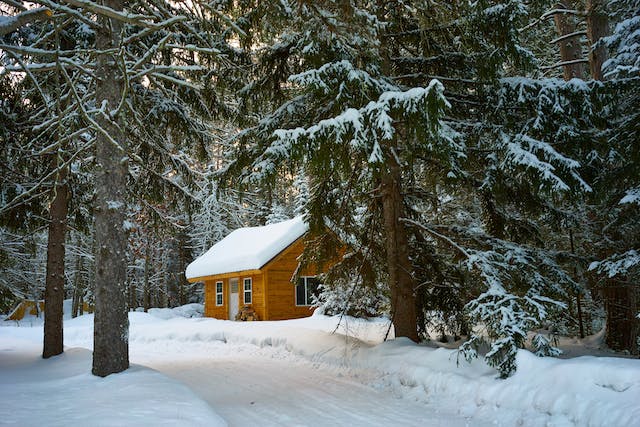 Buying a cabin or cabin or chalet in California is a smart investment. The Appeal of California's Ski Retreats California mountains, renowned for their stunning landscapes and diverse offerings, are ideal for those seeking cozy cabins and chalets for a California ski retreat. Each destination has unique features and local amenities:
Design and Amenities: What Makes the Perfect Ski Retreat Home? The perfect ski retreat home combines aesthetic appeal with functional design. Architecturally, these homes range from classic log cabins featuring natural wood and stone to modern chalets with sleek lines and expansive glass windows. Essential amenities include well-insulated walls and roofs for efficient heating, boot warmers, and ample storage for ski equipment. Kitchens should be equipped with modern appliances to accommodate hearty meals. Likewise, bedrooms should offer comfort and warmth after a day on the slopes. If looking to customize or upgrade their ski retreat homes, focus on energy efficiency. Upgrades like smart thermostats, high-quality insulation, and eco-friendly fireplaces enhance comfort and reduce environmental impact. Integrating outdoor living spaces, such as hot tubs or fire pits, can significantly increase the appeal and functionality of the property. These enhancements add value to the property, making it a more attractive option for renters and future buyers. Navigating the Purchase The purchase process starts with identifying your preferences, such as location, size, and amenities. Research different ski areas and their respective property markets. Utilize online resources and connect with local real estate agents specialized in these areas. Subsequently, they can offer valuable insights and help you find listings that match your criteria. Establish a realistic budget that includes the purchase price and ongoing expenses like maintenance, property taxes, and utilities. If you're moving long distance and relocating belongings from a city like Los Angeles, factor in the cost of long-distance moving. To plan a safe process and minimize risks, choose reputable movers and ensure adequate insurance coverage. This step helps avoid unexpected damage and eliminates additional costs. Finally, comprehend the legal and documentation aspects. It includes property rights, zoning laws, and any restrictions specific to ski properties. Work with a real estate attorney who can guide you through the contract nuances and legal requirements.  Connect with local real estate agents for valuable insights and help in the search for cabins and chalets for a California Ski Retreat. Cozy Cabins and Chalets for a California Ski Retreat: Maximizing Your Investment Maximizing your investment requires strategic rental management, regular maintenance, and effective marketing. Firstly, consider employing a professional rental management service to handle bookings, guest communications, and on-site services. If you opt for self-management, use online platforms to reach a broader audience. Regular upkeep is crucial in maintaining the value and appeal of your property. Schedule routine checks and maintenance, especially before and after the peak seasons, to address wear and tear. Also, periodically upgrade the property to boost its attractiveness. Consider adding modern amenities, updating the decor, or enhancing outdoor spaces. Effective marketing is essential to maximizing rental income. Create a compelling online presence with high-quality photos and detailed descriptions. Highlight unique features, like a fireplace or a scenic view, and tailor your marketing efforts to target the right audience.  Regular maintenance preserves the worth and appeal of your cabin. Conclusion
Owning one of the cozy cabins and chalets for a California ski retreat brings numerous benefits, from potential rental income to personal enjoyment. These properties offer a unique escape to nature's beauty, providing a tranquil retreat from everyday life. They also present wise investment opportunities in a growing market. As you consider this exciting venture, remember the joy and financial rewards that await. Expert guidance is available to ensure a smooth experience for those ready to take the first step towards this investment. Start your adventure in the world of ski retreat properties today! Photos via: Pexels Pexels Pexels Pexels Discover essential dos and don'ts for closing your summer home efficiently and effectively. Learn how to protect your property.  Closing a seasonal residence is more than just locking up and leaving. It's about ensuring that when you return, your space is as welcoming as when you left it. Closing your summer home requires careful planning and attention to detail. Ignoring this task can lead to unforeseen damages, especially considering the potential impact of weather changes on unattended homes. Winter frost, unexpected rainfall, or even an early spring heatwave can all pose threats to a house left without proper preparation. Taking proactive steps in sealing off your summer home offers peace of mind. Knowing that belongings are securely stored, utilities safely shut off, and potential risks minimized allows homeowners to focus on the upcoming season, confident that their summer abode will remain in prime condition.  To ensure your property is safe, install a security system and cameras. Ensure Security Safeguarding Your Summer SanctuaryOne's home is a prized possession, and security, especially during absences, is a top concern. Homeowners should prioritize installing security systems or cameras. Modern technologies offer numerous options tailored to various needs, from motion sensors to live camera feeds accessible from your primary residence or smartphone. Another simple yet effective strategy is communication with those around you. Informing neighbors or local authorities about your absence can add an extra layer of surveillance. However, if you're seeking comprehensive peace of mind, consider regularly checking in on your home or hiring a property manager. These professionals can oversee your property, ensuring everything remains intact and immediately addressing any arising issues. They can also manage tasks like lawn maintenance or snow removal, preserving your home's appearance of occupancy.  Carefully sort out things that you want to keep in the home and the ones you want to take with you. Packing Perfection: Organizing Essentials for Summer Home Departure Transitioning from the laid-back vibes of summer to the routine-driven months ahead can be smoother with proper organization. First and foremost, decide which items remain in your summer residence and which will accompany you home. This decision can help streamline your packing process, ensuring you only transport essentials. You can do it more efficiently by categorizing belongings beforehand. A well-organized packing process not only minimizes stress but also saves precious time. Equally crucial is selecting the appropriate storage containers. Opt for sturdy boxes that shield against moisture and unwanted pests, providing optimal protection for your possessions. Remember, a humid environment can wreak havoc on your items, so proactive measures are paramount. For items with sentimental or monetary value, employ special packing methods. Cushioned wraps or padded containers can work wonders in safeguarding your fragile treasures. Plumbing Priorities: Preventing Unexpected Leaks and Freezes Prior to bidding farewell to your summer residence, it's imperative to address home maintenance tasks related to plumbing. Neglecting them might leave you with a wet mess or costly damages upon your return. Let's discuss the dos and don'ts of plumbing priorities. First, always turn off the main water supply to prevent leaks, saving potential repair expenses and water waste. Next, it's advisable to drain all pipes. Standing water during colder months can lead to freezing, resulting in broken or cracked pipes. As an added measure, consider installing antifreeze in toilets to avoid potential freeze damage. However, don't pour antifreeze into sinks or bathtubs; it's meant specifically for toilets. Another required measure is checking sump pumps. Ensure they're working efficiently to avoid any basement flooding during heavy rainfalls. Proper attention to these priorities ensures the structural integrity of your summer home's water systems and protects your property from costly water-related damages. Electrical Essentials: Safe Power Management for Extended Absence A crucial step in power management is unplugging all non-essential appliances. This act reduces the risk of electrical fires and saves on energy costs. Moreover, your plugged-in apparatuses can become potential fire hazards if left plugged in for prolonged periods. However, it's also wise to think about home security. A dark house can be a clear signal of an empty residence. Address this by setting a few lights on timers, creating a semblance of occupancy. This tactic can deter potential intruders, offering added peace of mind while you're away. Dedicate some time to inspect your home for faulty wiring or malfunctioning outlets. If you spot wear and tear or other concerning signs, replace or repair these areas promptly. Addressing these electrical essentials guarantees the safety of your property and peace of mind while you're away. The Climate Command: Regulating Your Home's Temperature One aspect often overlooked in the process of closing your summer home is climate control. Properly regulating your home's temperature can prevent various issues, from freezing pipes to humidity damage. Setting the thermostat at a safe but energy-saving temperature is a good starting point. In colder climates, keeping the heat on a low setting can mitigate the risks of freezing, while in warmer regions, a moderate setting can deter mold growth and other heat-induced problems. If your home has areas prone to dampness, like basements or bathrooms, it would be wise to consider using dehumidifiers. They help keep moisture levels in check, preserving the integrity of your home and belongings. Interior Inspection: Tidying Up for a Peaceful Return Addressing food storage should be an initial task to ensure that the inside of the house is ready for months of vacancy. Clearing perishable items from the refrigerator and pantry reduces the risk of unpleasant odors or unwelcome pests. Forgotten leftovers or opened food packages can attract critters, turning your retreat into an unintended wildlife hub. Clean chimneys and vents and seal them off to ensure no birds or small animals make them their nesting ground. Furthermore, it can prevent moisture or debris from entering and causing damage. Last but not least, don't forget about a comprehensive pest prevention strategy. Ensuring measures to deter pests can make all the difference, be it sprays, traps, or professional treatments. Conducting a thorough interior inspection and implementing these strategies lays the groundwork for a hassle-free, welcoming homecoming next season.  Before closing your summer home, take care of the outdoor furniture and garden tools. Closing Your Summer Home: Exterior Examinations
As you prepare to leave your summer residence, you should focus on outdoor areas, as they bear the brunt of seasonal wear and tear. Start with the basics: clearing gutters and downspouts. These elements guide water away, and when clogged, they can lead to water damage or foundation issues. Next, think about the yard maintenance. Securely store your outdoor furniture, grills, and garden tools. Finding a safe storage spot or using durable covers can extend the lifespan of these items. Lastly, a detailed examination of the structure itself is imperative. Survey the roof, looking for any loose shingles or signs of wear. Check the walls and foundation for cracks or other damages. Addressing these issues before leaving can prevent more significant problems down the line. Conclusion Closing your summer home requires attention to both minor details and broader precautions. While it's essential to touch on specifics, like securing furniture or cleaning gutters, the bigger picture centers on regular maintenance and periodic check-ins. Even in your absence, ensuring your property remains in top shape can save you time and unexpected expenses in the long run. The true reward? Returning to a home that's just as you left it. Taking these preparatory measures offers invaluable peace of mind, allowing you to enjoy your off-season with the confidence that your cherished retreat awaits your return. Photos via: Pexels Pexels Pexels Pexels |
Mammoth Prestige
Property Services Categories
All
|

 RSS Feed